
What to Do When Weight Loss Plateaus on Ozempic
Hit a weight loss plateau on Ozempic? Learn practical, evidence-based steps to restart progress and get the most from your GLP-1 journey.
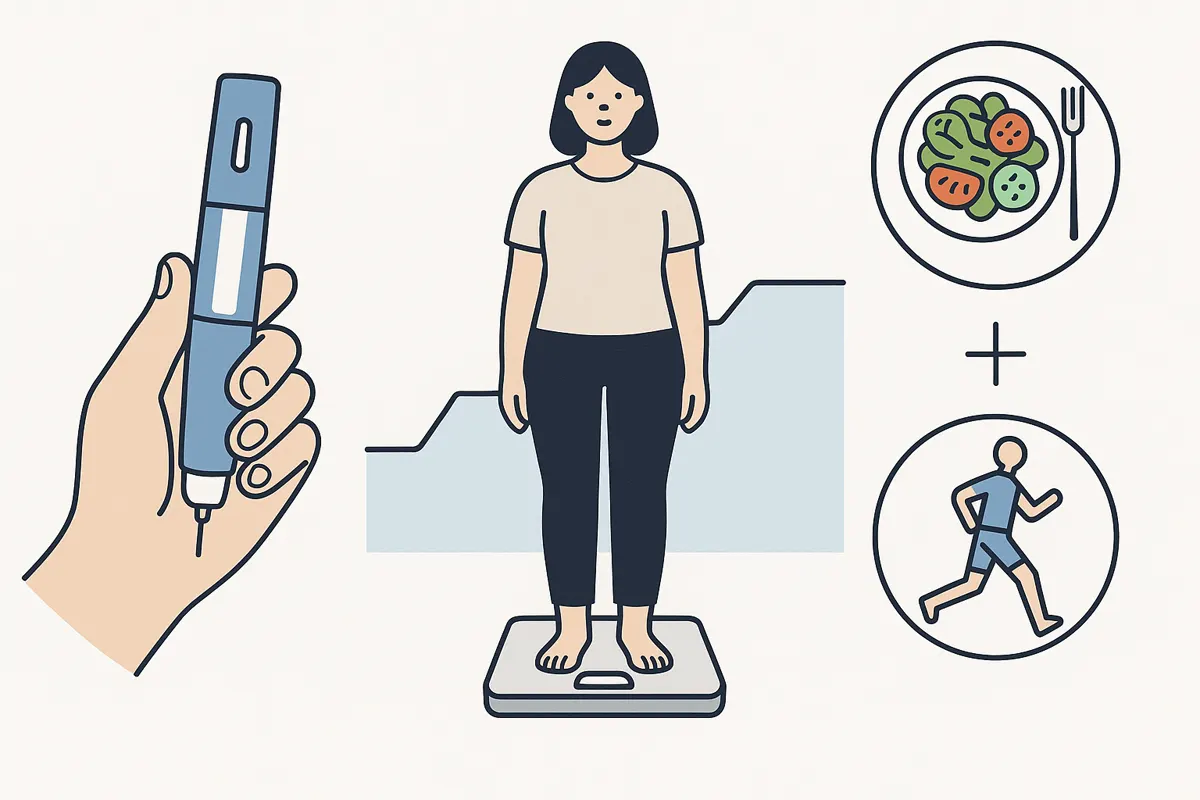
What to Do When Weight Loss Plateaus on Ozempic
Ozempic (semaglutide) is a GLP-1 medication that can help with significant weight loss. However, many people eventually experience a plateau, where the scale stalls despite continued efforts. If this happens to you, know that it’s normal and there are actionable steps to get back on track.
Why Plateaus Happen on Ozempic
Weight loss plateaus are a natural part of any weight loss journey, including those on Ozempic. As you lose weight, your body’s metabolism can slow down, and your energy needs decrease. This can make further weight loss more challenging. Common reasons for a plateau include:
- Reduced calorie needs after weight loss
- Adaptation of your metabolism
- Unintentional increase in calorie intake
- Decreased physical activity
- Water retention or hormonal fluctuations
Strategies to Overcome a Plateau
While plateaus can be discouraging, they can also be a chance to reassess and fine-tune your habits. Here are some evidence-based strategies:
- Review your food intake: Small increases in calories can creep in over time. Consider tracking your meals for a week to spot patterns or hidden calories.
- Adjust your activity: If your routine has become easier, try increasing intensity, frequency, or adding strength training to build muscle and boost your metabolism.
- Reassess your goals: Your body may naturally settle at a lower weight. Talk to your healthcare provider about your expectations and what’s realistic for your health.
- Stay consistent with medication: Make sure you’re taking Ozempic as prescribed and not missing doses. Logging your medication and progress with a tool like Trimm can help you stay on track and notice patterns in your weight loss journey.
- Focus on non-scale victories: Even if the scale isn’t moving, look for changes in body measurements, energy, or how your clothes fit.
- Prioritize sleep and stress management: Poor sleep or high stress can affect hormones related to hunger and weight regulation.
When to Seek Guidance
If you’ve tried these strategies for several weeks and your weight remains unchanged, consult your healthcare provider. They can check for medical issues, adjust your medication, or refer you to a registered dietitian for personalized advice. Sometimes, plateaus resolve with patience and small adjustments.
Remember, long-term weight management is a marathon, not a sprint. Using tools like Trimm to track your injections, weight, and side effects can help you and your care team make informed decisions and celebrate progress beyond the number on the scale.
Get a personalized read from Trimm.
Try Trimm